

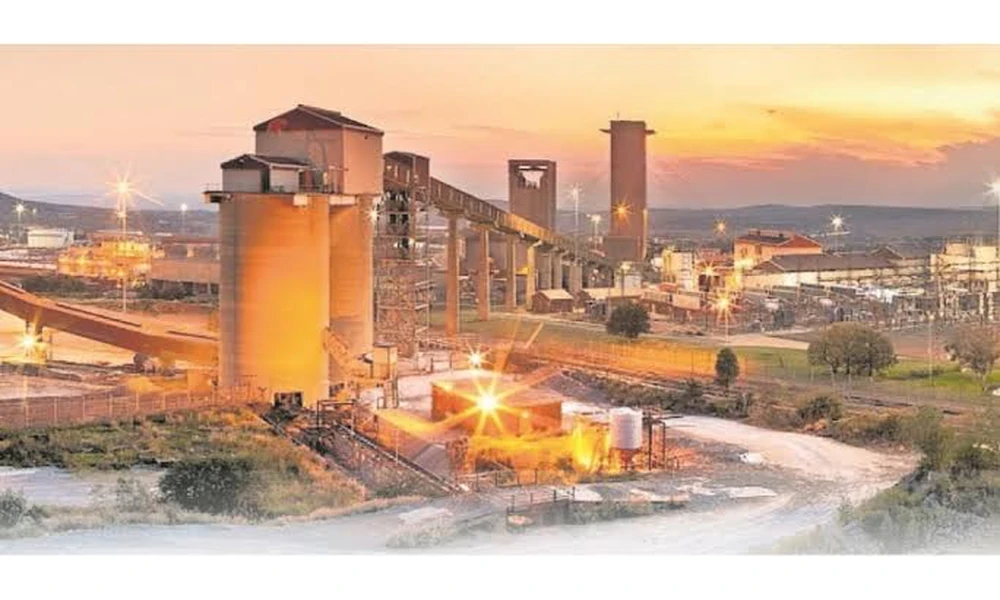
The relationship between domestic mineral development and North American industrial supply chain resilience has gained significant policy and investment attention over the past decade as manufacturing, technology, energy transition, and defence sectors confronted the supply chain vulnerabilities that concentrated offshore mineral sourcing created during periods of geopolitical tension and trade disruption. Mineral development within North American jurisdictions addresses these vulnerabilities by establishing domestic and near-shore production capacity for materials whose industrial applications make them structurally irreplaceable within critical manufacturing processes. The supply chain strengthening that mineral development provides extends beyond raw material availability into processing capacity, refining infrastructure, and technical workforce development that together determine whether domestic mineral production translates into genuine supply chain independence or shifts dependence from foreign mining to foreign processing at comparable industrial contexts. The executives and developers who have advanced North American mineral projects, including Richard Warke Vancouver through challenging regulatory and capital market environments demonstrate through their project portfolios the private sector commitment that domestic supply chain strengthening through mineral development requires.
Domestic supply chain contribution
Mineral development strengthens North American industrial supply chains by providing domestic and near-shore sources of critical raw materials that manufacturing, technology, energy transition, and defence sectors require without the geopolitical supply risk that import dependence from distant or politically unstable jurisdictions introduces. The supply chain contribution that mineral development makes extends across copper for electrical infrastructure, lithium for battery storage systems, nickel for alloy and battery applications, and rare earth elements for advanced technology manufacturing that North American industrial competitiveness depends on across successive technology development cycles.
- The domestic supply chain contribution is most strategically significant for mineral categories where current North American production meets only a fraction of industrial demand, creating import dependence that geopolitical developments can disrupt without an adequate domestic production alternative. Rare earth element processing, lithium hydroxide refining, and cobalt supply represent categories where domestic mineral development investment addresses not just raw material sourcing but the full value chain from mine production through chemical processing to battery-grade material delivery that electric vehicle and stationary storage manufacturing requires at an industrial scale.
- The economic contribution of domestic mineral development extends beyond direct supply chain benefits into regional employment, infrastructure development, and tax revenue generation that support the communities and jurisdictions whose geological endowment underpins the development activity.
How do domestic mines reduce import dependency?
Domestic mines reduce import dependency by establishing production capacity within politically stable, environmentally regulated, and institutionally transparent jurisdictions that give industrial consumers supply assurance that offshore alternatives in higher-risk geopolitical environments cannot provide with equivalent reliability across commodity price and trade policy cycles.
The import dependency reduction that domestic mineral production achieves operates most effectively when accompanied by domestic processing and refining capacity that prevents the situation where raw materials leave North American jurisdictions as ore or concentrate and return as processed materials whose value-added transformation occurred offshore. Integrated domestic mineral value chains from mine production through concentrate processing to refined metal or battery-grade chemical production give industrial consumers supply security at every input stage rather than only at the raw material extraction level that mine development alone provides at comparable supply chain contexts.
Mineral development strengthens North American industrial supply chains through domestic critical material production, reducing geopolitical supply risk, integrated value chain development addressing processing and refining capacity gaps, and regional economic contribution, sustaining the workforce and community infrastructure that long-term mining operations require across their full production lifecycles.