

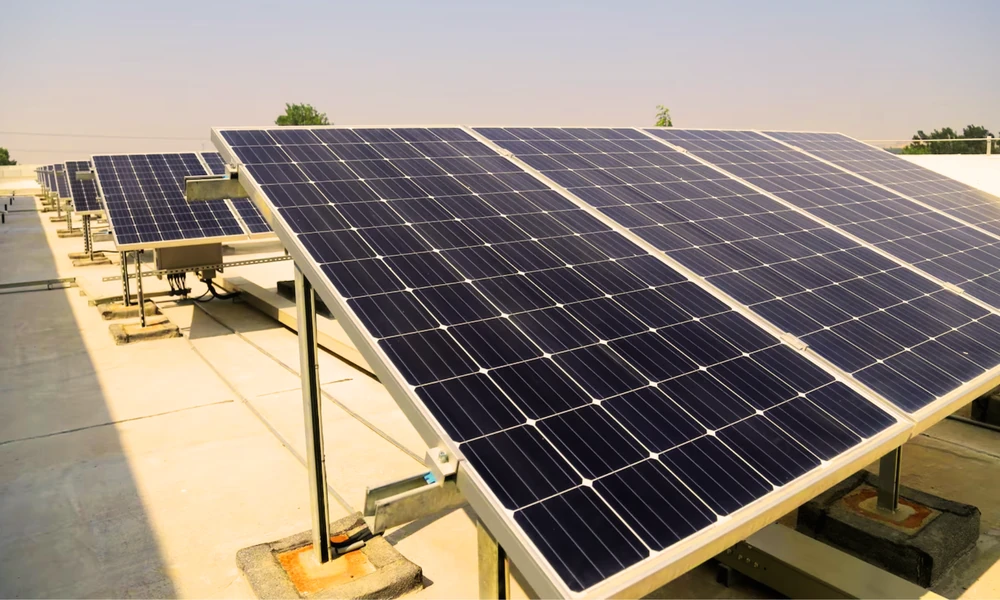
Residential solar installation in India has reached an inflection point where the combination of available subsidies, accessible financing, and falling technology costs makes adopting a solar home installation the financially rational choice for a large and growing proportion of the country’s households. The barrier is no longer primarily economic – the numbers clearly support adoption for households with adequate roof space and grid connectivity – but financial: the upfront capital requirement for a complete solar panel home installation remains beyond the immediate liquidity of most households even when the long-term return is clearly positive. Solar finance solutions from specialist providers address this barrier directly.
What a Complete Residential Solar Panel Installation Involves
A complete residential solar panel installation involves several components whose combined cost determines the loan amount required:
- Solar panels: the primary generation component, sized to the household’s average electricity consumption and the available roof area. A household consuming 250 to 350 units per month typically requires a 3 to 4 kW system
- Grid-tie inverter: the device that converts the solar panels’ DC output to the AC electricity that household appliances use and that the grid accepts for net metering export
- Mounting structure: the roof-fixed racking system that positions the panels at the optimal angle and withstands wind loading across the system’s 25-year life
- Balance of systems: DC and AC wiring, junction boxes, earthing, lightning protection, and the metering equipment for monitoring generation
- Net meter: the bidirectional meter installed by the DISCOM that records both imported and exported electricity for net metering billing
- Installation and commissioning: the labour cost of mounting, wiring, inverter programming, and system commissioning including the DISCOM inspection and net meter installation appointment
PM Surya Ghar Muft Bijli Yojana: How Subsidies Reduce the Financed Amount
The solar home installation financing calculation for residential systems up to 3 kW is significantly improved by the PM Surya Ghar Muft Bijli Yojana subsidy, which provides up to Rs 78,000 against a registered system installation by a PM Surya Ghar-empanelled installer. This subsidy reduces the net financed amount and improves the loan EMI-to-savings ratio that makes residential solar financing so compelling for most adopting households.
For a 3 kW system costing approximately Rs 1.5 to 1.8 lakh, the PM Surya Ghar subsidy of Rs 78,000 reduces the financed amount to Rs 72,000 to Rs 1.02 lakh, whose monthly EMI over five years is typically less than Rs 2,000, well below the electricity bill saving the system generates from commissioning.
Solar Finance Solutions: What the Loan Covers
Solar finance solutions for residential solar installation from specialist providers finance the complete system cost including all components, installation, and commissioning, typically with the subsidy amount deducted from the disbursement at the point the subsidy is confirmed. Loan features typically include:
- Tenure from 24 to 84 months to calibrate the EMI to the household’s repayment capacity
- Competitive interest rates reflecting the secured or semi-secured nature of solar asset financing
- Minimal documentation through digital income and property verification
- Direct disbursement to the installer after system commissioning confirmation
Conclusion
Residential solar installation financed through appropriate solar finance solutions converts the solar adoption decision from a capital allocation challenge into an operational cashflow positive action for the majority of eligible Indian households. Solar panel home installation and solar home installation financed by specialist providers allow households to commission solar systems whose electricity generation more than offsets the monthly EMI from the first billing cycle, creating a positive cash flow from day one of solar generation.
Aerem provides solar finance solutions for residential solar installation, solar panel home installation, and solar home installation across India, offering loan products calibrated to household income, system size, and available subsidies. Aerem’s residential solar financing covers the complete installation cost with competitive rates, flexible tenures, and a streamlined application process that makes residential solar panel installation financing accessible for households across India’s diverse income and geography spectrum.