
A prospective client walks through your door for the first time. Before anyone has said hello, they have already formed an opinion. Is the space tidy or cluttered? Bright or dim? Does it feel like a business that is going places, or one that is getting by? First impressions in an office happen in seconds, and they colour everything that follows, from how much a client trusts you to how much they are willing to pay.
For growing businesses, the office often lags behind the company’s ambitions. Teams squeeze into spaces they have outgrown, the furniture is a mismatched collection from different eras and the reception area is an afterthought. Updating the entry point is often the best place to start, and keeping an eye on current reception desk design trends can help you create an arrival experience that feels professional without spending a fortune on a full fit-out.
The reception area does the heavy lifting
Your reception area is the handshake of your physical space. It tells visitors who you are before you have a chance to explain.
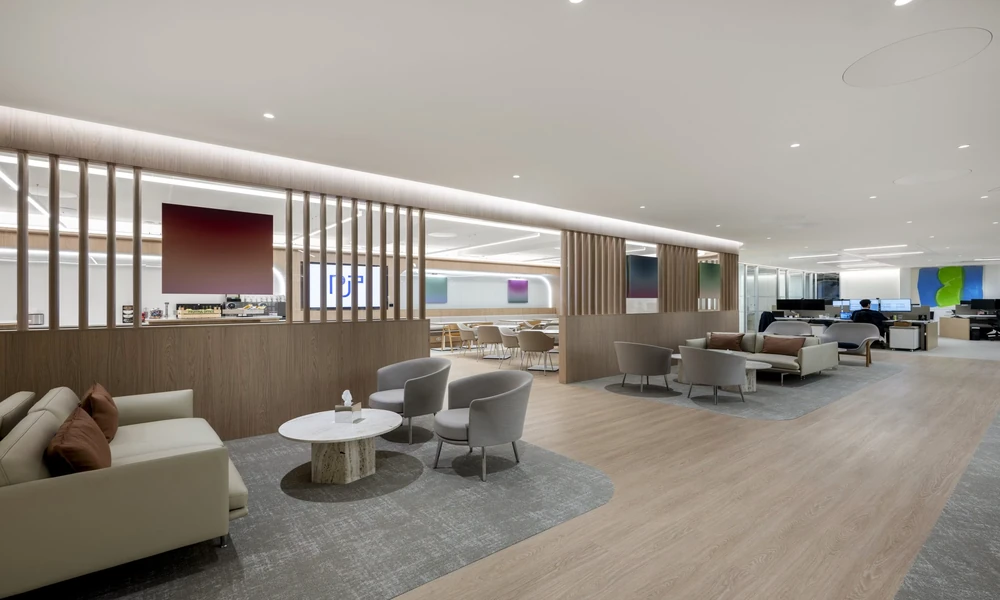
A well-designed reception desk anchors the space and gives visitors an obvious place to go. Modern designs tend to be cleaner and more welcoming than the bulky counters of the past, with natural materials, softer curves and integrated lighting. Some businesses are moving away from traditional desks entirely, opting for a more relaxed concierge-style setup or a self-service check-in for smaller teams.
Whatever approach you take, make sure the space feels intentional. Comfortable seating, good lighting, a few plants and a clear view of your brand go a long way.
Let your brand show up
Office design is an opportunity to express what your business stands for. A creative agency might lean into bold colours and art. A law firm may prefer understated elegance. A tech start-up could showcase its energy with open spaces and collaborative zones.
Branding does not mean plastering your logo everywhere. It can come through in colour palettes, materials, artwork, signage and even the way spaces are arranged. The goal is a space that feels consistent with your website, your marketing and the way your team behaves.
Design for how people actually work
A beautiful office that does not suit the way your team works will quickly become frustrating. Before making changes, spend time understanding how people use the space.
Do they need quiet areas for focused work? Spaces for team collaboration? Meeting rooms for client calls? Places to take private phone calls? Many businesses now offer a mix of settings, allowing staff to choose the environment that suits each task.
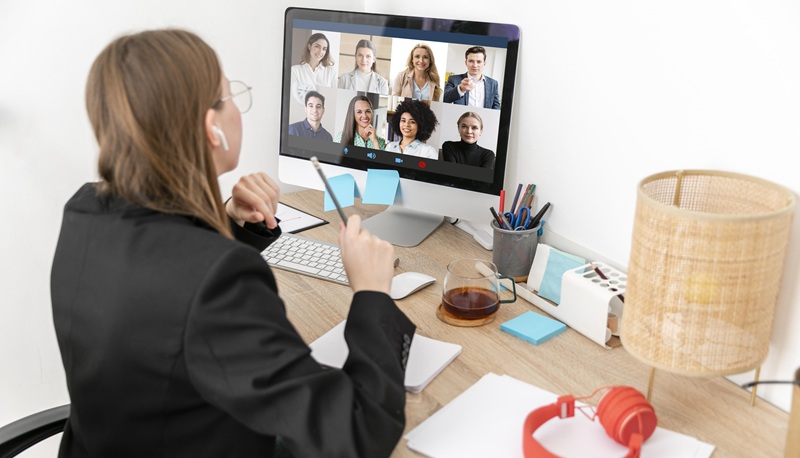
Hybrid working has changed office needs for many businesses. If staff are only in the office part of the week, it may make sense to prioritise collaboration areas and shared desks over rows of assigned workstations.
Lighting changes everything
Lighting is one of the most underestimated elements of office design. Poor lighting can make a space feel gloomy, cause eye strain and reduce energy levels.
Maximise natural light wherever possible by keeping windows clear and choosing lighter finishes. Supplement with layered artificial lighting, combining overhead lights with task lamps and feature lighting. Warmer tones can create a welcoming feel in reception and breakout areas, while cooler, brighter light suits focused work zones.
Bring the outside in
Indoor plants are an easy way to make an office feel fresher and more inviting. They soften hard surfaces, add colour and can help create a calmer atmosphere. For businesses without the time to care for them, plant hire services can handle maintenance.
Natural materials such as timber, stone and wool also help create a warmer, more human environment.
Keep it tidy
Clutter undermines even the most beautifully designed space. Provide enough storage so that paperwork, equipment and personal items have a home. Establish simple habits, such as clearing meeting rooms after use and keeping reception free of boxes and deliveries.
Plan for growth
Growing businesses face a particular challenge: designing for today while preparing for tomorrow. Flexible furniture, modular workstations and adaptable layouts can help your office evolve without a complete overhaul every time the team expands.
When planning a fit-out, think about where the business might be in two or three years and choose solutions that can scale.
Small changes, big impact
You do not need a huge budget to make a stronger first impression. A refreshed reception area, better lighting, consistent branding and a tidier space can transform how clients and staff experience your office. As your business grows, your workplace can grow with it, helping you look and feel like the company you are becoming.